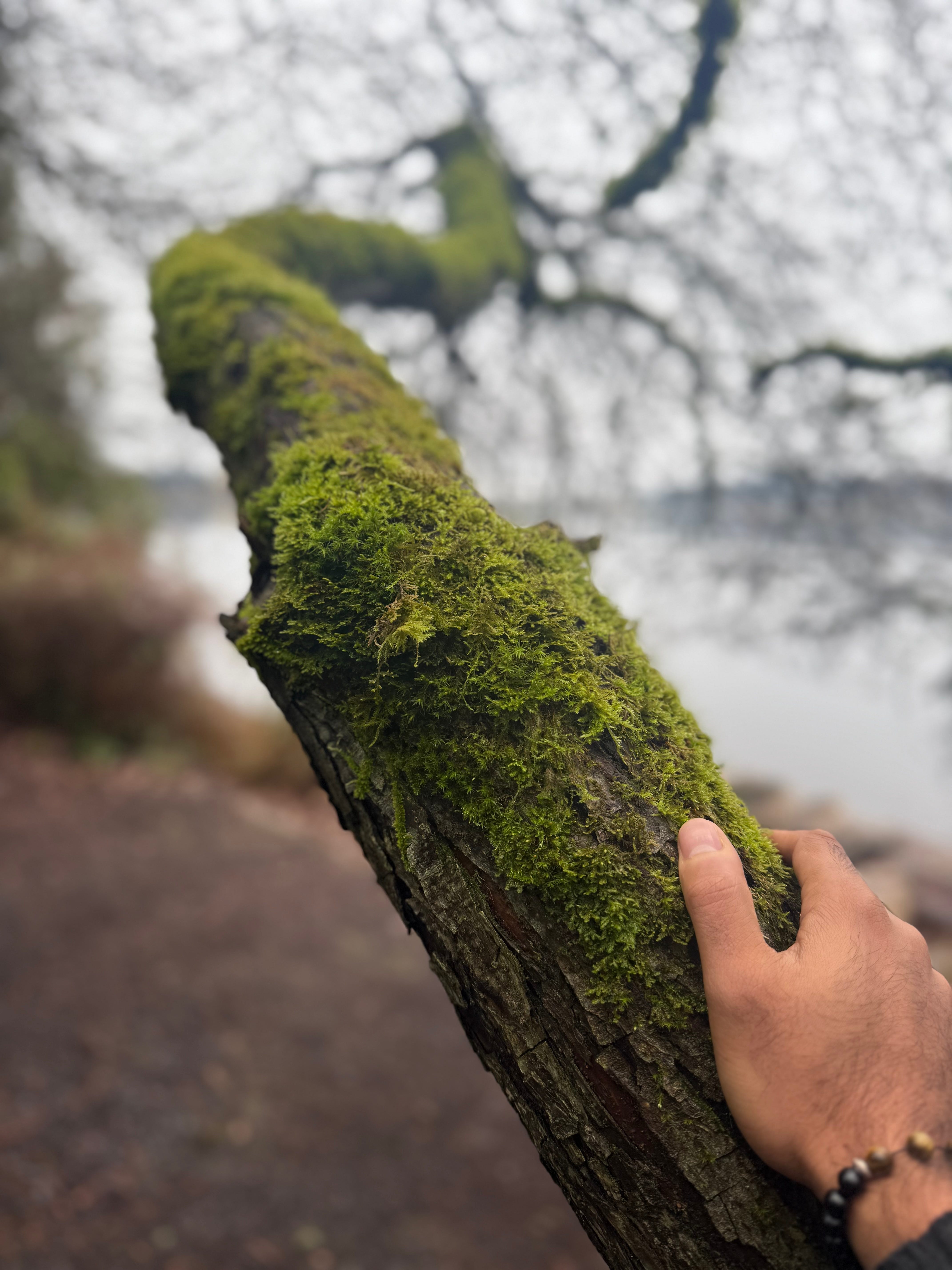
Where you have been standing
When a branch breaks and the grief feels like dying, the tree is trying to show you something.

The branch is where most of us live. The branch is the role we have rehearsed so many times we have forgotten it is a role, the career we built in our twenties that calcified into an identity by mid thirty, the relationship we entered as an exploration and slowly turned into the only floor we trust beneath our feet. The branch is the place where we do our performing and our proving and our accumulating of evidence that we matter, and it feels so solid, so established, so covered in the leaves of years of effort, that we come to believe the branch is the tree itself, that to lose the branch would be to lose everything, that the sound of cracking underneath us is the sound of our own life giving way.
The branch is real. The branch is alive. The fruit it carries is genuine and the shade it offers is earned and the years of growth that went into its reaching are years that cannot be dismissed or diminished. And still the branch is a branch. It grows from something, and the something it grows from is the part of the tree that most of us have never visited, have never stood in, have never trusted enough to call home, because the trunk is bare and vertical and offers nothing to decorate, nothing to measure, nothing to show the world as proof that you are someone worth paying attention to.
I have lived in branches. I built entire seasons of my life in them, so deep in the foliage of the role and the title and the relationship and the accumulated proof of my own significance that I could not see the sky through the leaves. The branch I stood in felt permanent. It felt like the whole of what I was. And then it broke, the way branches break, suddenly and with a sound that moves through the belly before the mind has time to explain what is happening, and the grief that followed was the kind that sits in the body like a stone for months, the kind that wakes you at three in the morning with a hollow in the chest that no amount of thinking can fill, the kind that convinces you the tree itself is finished because you cannot tell the difference between a branch falling and the whole structure collapsing when the branch was the only place you knew how to stand.
What I found beneath the grief, and what I keep finding every time another branch falls, is that the trunk was there the entire time, untouched, unbroken, indifferent to the loss in the way that only something truly alive can be indifferent, which is to say it was already growing the next branch before the last one hit the ground. The trunk does not mourn the way the branch mourns, because the trunk knows something the branch has never had to learn, which is that branches are meant to grow and to break and to grow again, and that the breaking is part of the design, and that a tree that never loses a branch is a tree that has stopped being tested by the wind, which is to say it has stopped being alive.
The trunk is the part of you that was there before the career and will be there after it ends, the part that existed before the relationship and remained after the door closed, the part that has survived every identity you have built and every identity that has been taken from you and is still here, still upright, still breathing, still capable of growing something new from the very place where the old thing was torn away. The trunk is your spine in the most literal sense I can offer: the vertical line of your own aliveness, the column through which the breath moves and the energy circulates and the body organizes itself around a center that does not depend on external validation to remain standing.
I feel this every morning when I train. The kettlebell is an honest teacher, perhaps the most honest I have ever had, because it does not care about my plans or my mood or my carefully constructed sense of how the day should unfold. It cares about my spine. It cares about whether I am organized from the center of my body or reaching from the edges, and when I reach from the edges, when I try to muscle the weight from my arms or my shoulders or my urgency, the iron corrects me immediately and without diplomacy. When I swing from the trunk, from the hips, from the deep center where the real power lives, the weight moves as if it were an extension of my own breath, and the effort is total and strangely effortless at the same time, and I understand in my body what I have spent twenty years trying to understand in my mind, which is that the center determines everything and the periphery follows, and that reversing this order is the source of almost every exhaustion I have ever known.
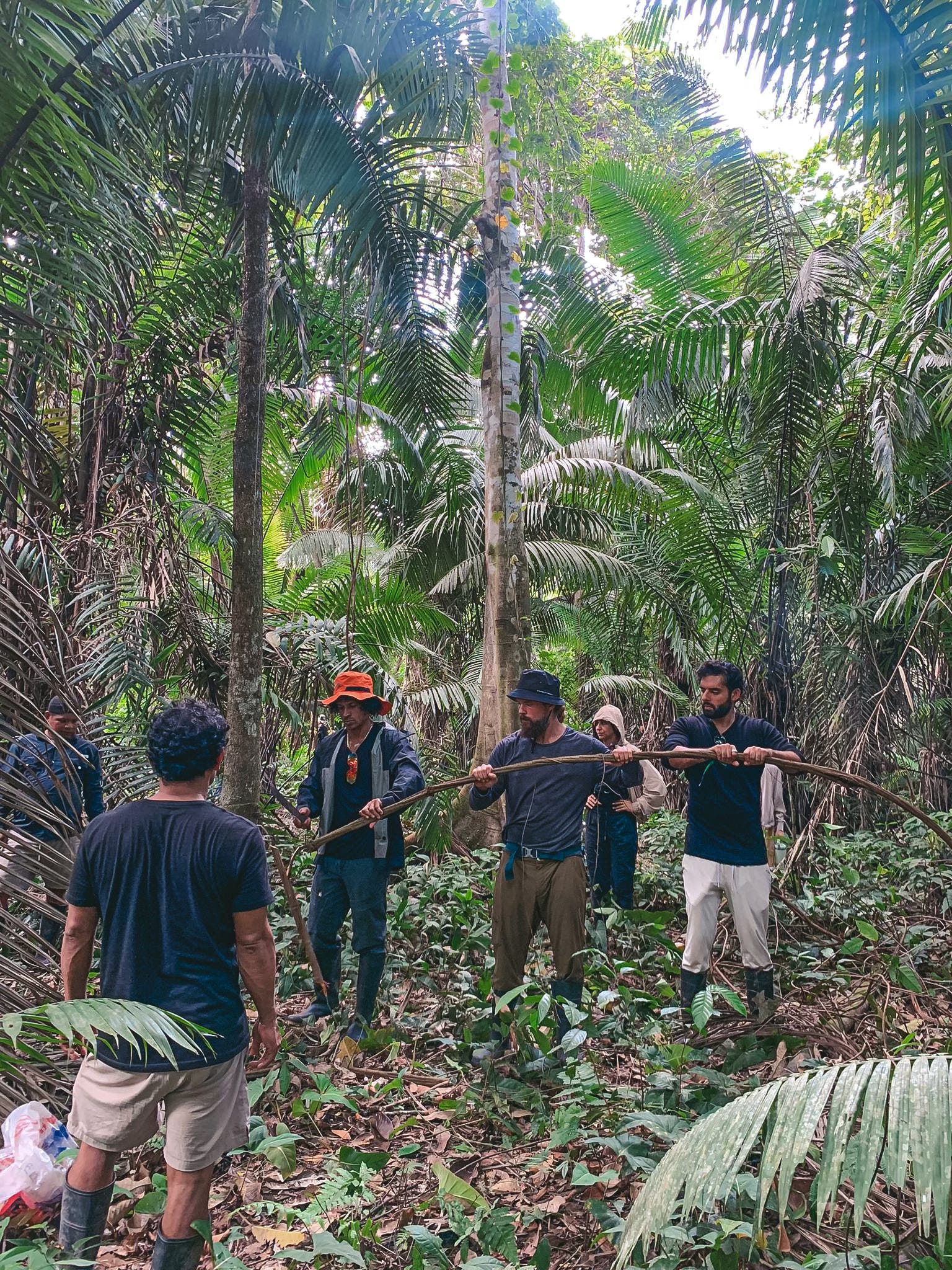
This is what the contemplative traditions have been saying for centuries, and what I keep having to relearn through the specific humiliations of my own life: you cannot permanently repair the branches if the trunk is compromised. You cannot build a lasting relationship from a collapsed center. You cannot run a business from a body that is in chronic extraction mode, pulling energy from one branch to feed another, robbing sleep to feed productivity, robbing presence to feed ambition, robbing the body to feed the mind, and calling it discipline when it is actually the slow and invisible process of a tree dying from the inside while the leaves still look green. Then you rebuild, not alone but with a band of brothers who hold the vine of truth and virtue with you, as ancient tribes always did. An embodiment of communal initiation of transforming grief into service and leadership.
There is a grief that comes with recognizing where you have been standing, and the teaching is incomplete without naming it.
When you begin to see that much of what you called your life was branch, the recognition arrives in the body before it arrives in the mind, as a kind of hollowing, a sudden lightness that feels more like vertigo than freedom. The job title, the social role, the story you have rehearsed so many times at dinner parties that you have mistaken it for who you actually are, the accumulated evidence that your years have amounted to something, all of it revealed in a single disorienting moment as foliage rather than foundation, as something that grew from you rather than something that is you, and the difference between those two things is the distance between the branch and the trunk, which is the distance most people spend their entire lives refusing to cross.
I have watched people arrive at this recognition and immediately reach for a new branch. A new project, a new relationship, a new spiritual practice that offers something to measure and perform and identify with, because the trunk is bare and the trunk is simple and standing in the trunk means standing in the undecorated fact of your own aliveness without a story to justify it, and this is, for most people, the most frightening place a human being can stand, because it has no audience and no applause and no evidence that you are special, only the ordinary and overwhelming truth that you are here and you are breathing and the breath does not require your permission to continue.
The Practice
The practice is staying. Standing in the center long enough for the body to stop treating the simplicity as a threat and to begin recognizing it as the only solid ground you have ever had. This takes longer than a retreat. This takes longer than a book. This takes the daily, unromantic, largely invisible discipline of returning to the center of your own body, your own breath, your own spine, morning after morning, letting the branches do what branches do, which is grow and reach and sometimes break, while you remain in the one place that does not break, that has never broken, that cannot break because it is not a thing you built but the thing you are.
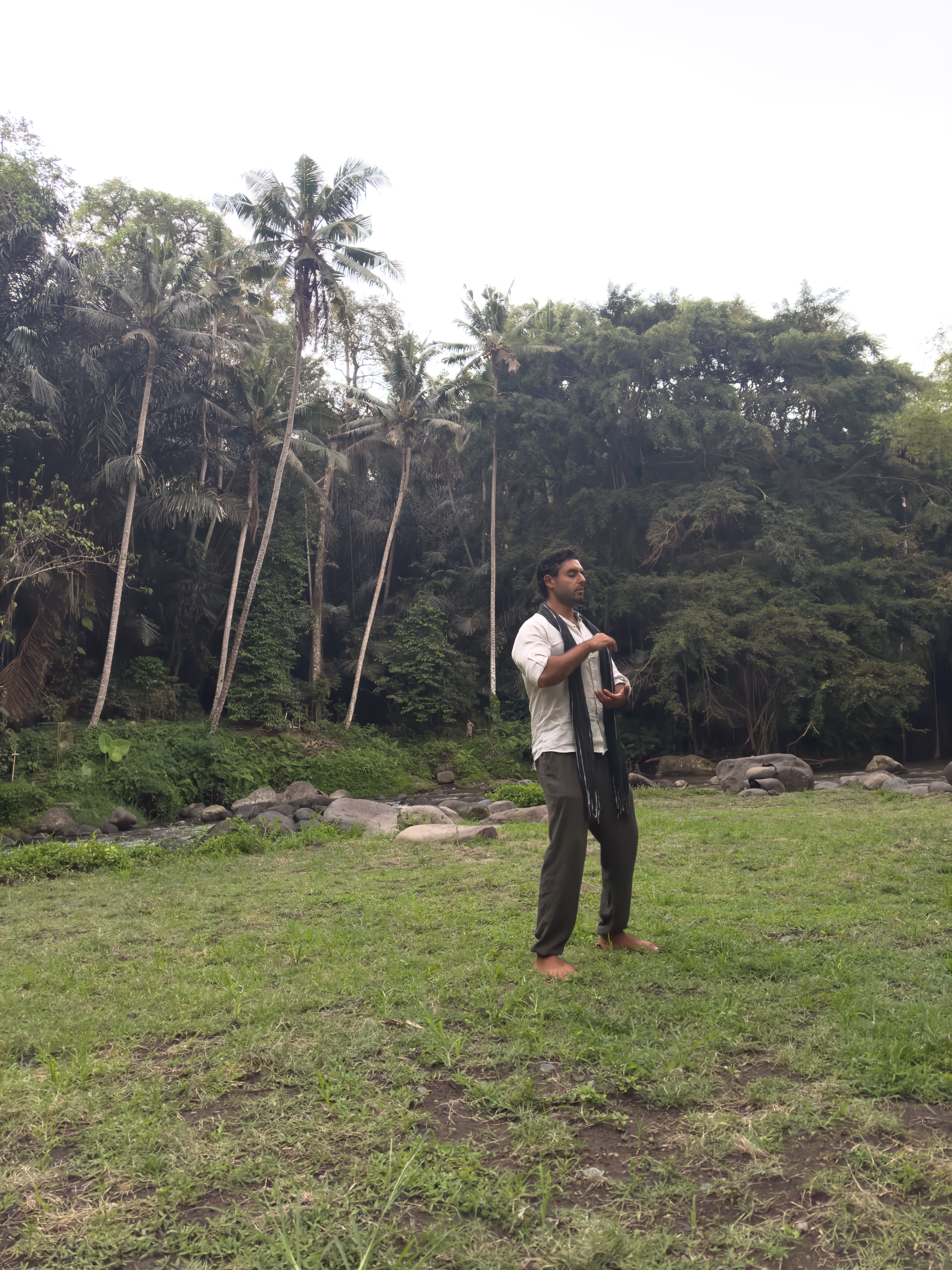
What grows from the trunk is different from what grew from the branches, and the difference is something I can feel in my body but can only partly describe in words, the way you can feel the difference between a morning that began in your own silence and a morning that began in the noise of someone else’s urgency. Relationships that grow from the trunk are fed from within rather than sustained by mutual extraction. Work that grows from the trunk has a quality of offering rather than proving. Creativity that grows from the trunk feels less like production and more like something the tree is doing because that is what trees do, and your only role is to stay upright and let the sap move.
And the losses, when they come, because they will always come, land differently in the body of someone who is standing in the trunk. A branch breaks and the grief is real and proportionate and you feel it move through you the way weather moves through a tree, bending, pressing, sometimes tearing, and then passing, leaving the trunk standing, leaving the roots deeper than they were before the wind came, leaving the space where the old branch was as an opening rather than a wound, because the trunk knows what the branch could never learn, which is that the opening is where the next thing grows.
I am writing this from Phuket, where the trees outside my window have survived monsoons that would flatten anything built from the periphery. Their branches break every season. Their trunks are three hundred years old. The wind does what the wind does and the tree does what the tree does, and the difference between the wind and the tree is that the wind passes and the tree remains and new branches grow where the old ones fell, and the tree is more alive this season than last.
Feel the line of your spine from the base to the crown. Feel the weight of gravity pulling you toward the earth and something you cannot name pulling you upward, and stay in that tension, stay in that trunk, and let the branches do what they do.